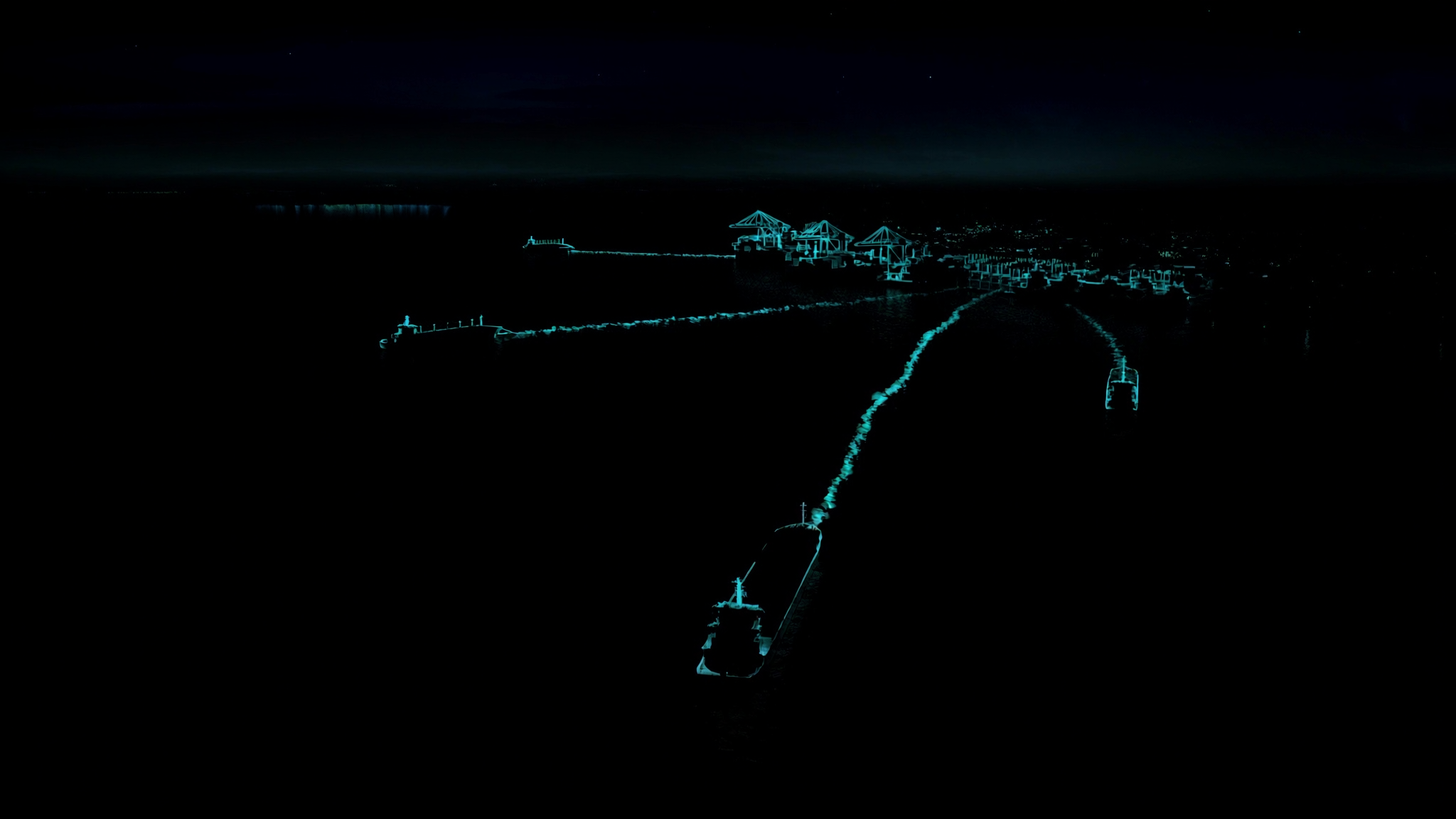
VPM predicts a vessel's next ports of call — and what it will need when it arrives.
Today, the timing arrives by phone call, by agent, by luck — and often after a competitor has already quoted.
Know when a vessel reaches a port → know when a need arises → know when to make the call.
Where each vessel is heading next, plus the second and third calls ahead.
How much fuel the leg takes, which grade, what it costs, and the emissions with it.
A contact for the operator, so the prediction is something you can act on.
Four steps, running continuously.
Positions from open AIS feeds, continuously.
How each vessel has moved between ports, and where it says it is going now.
Weighing pattern against declaration, per vessel — plus two calls further out.
Fuel, cost, arrival and departure windows, along the real sea route.
Pick a port. See the vessels heading toward it over the coming days — each with its load state, its likely need, its departure window, and a contact. Not a database of ships: a short list of who to call, and when.
How the Port View works →The same tool, sold once per port, to whoever is timing a need there.

Know a vessel will need fuel in your port before the call comes.
Read →How many vessels next week, what draught, how long alongside.
Read →Who's arriving laden versus ballast, and roughly when.
Read →Which vessels arrive with spare capacity, and where.
Read →Voyage-level fuel and CO₂ ahead of formal reporting.
Read →The full reference, and a way to get in touch.
All docs →When, where, how much, what grade.
LiveFollows almost directly from the fuel model.
NextDriven by running hours and age.
LaterDriven by the port call itself.
Later
The engine is geography-independent — it works anywhere there is AIS and shipping-lane data. Built on open AIS and public datasets, with a paid feed as backup. VPM sells decisions, not raw AIS.
How it is built, how accurate it is, what data goes in — written straight, with the weak spots left in.
Yes. VPM uses open AIS and public datasets, with a paid feed as backup, and does not redistribute raw AIS or any provider's dataset — it sells derived decisions. Data & sources.
The first of the predicted next ports is right about 77.9% of the time across the tested fleet, on a strict chronological back-test — higher when a vessel declares its destination, lower when it doesn't. The full breakdown.
The Baltic and North Sea are live. The engine is not region-specific, but a port is only useful once enough of its traffic is tracked. Coverage.
Pricing is not published — it is structured per port and per capability layer. Get in touch with your port and use case.